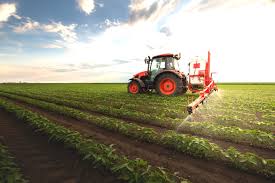
Smart farming isn’t just for large-scale agricultural operations anymore. Thanks to affordable and scalable technologies, smallholder farmers are increasingly able to adopt tools that transform how they work—leading to higher yields, smarter resource use, and greater resilience in the face of climate change.
Here are 5 key ways smart farming tech is making an impact:
1. Mobile Soil Testing Farmers now use mobile kits and apps to quickly test soil pH, moisture, and nutrients. This helps them apply the right fertilizer at the right time—saving money and protecting the environment.
2. Sensor-Based Irrigation Low-cost soil moisture sensors alert farmers when and where to irrigate, preventing overwatering and conserving water—especially important in drought-prone areas.
3. GPS & Drone Monitoring Drone mapping and GPS tools give farmers insight into crop health, plant spacing, and pest issues across large fields—right from their phones.
4. Solar-Powered Tools Solar-powered irrigation pumps and lighting systems reduce dependence on expensive fuel or unreliable electricity, making remote farming more viable and cost-effective.
5. Digital Market Access Apps now connect farmers directly to buyers, cooperatives, and weather alerts—improving pricing, planning, and risk mitigation.